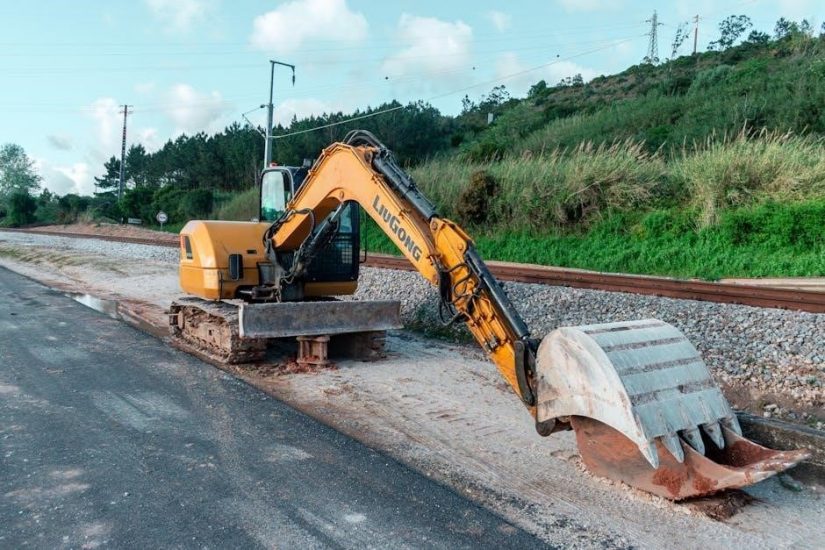
CPCS 360 Excavator Renewal Test: A Comprehensive Guide
Navigating the renewal process requires focused preparation. Resources like cardrenewaltest.co.uk offer RT59 mock tests – 124 questions mirroring the NOCN/CPCS exam, available as a PDF download.
Understanding the CPCS Renewal Process
The CPCS renewal process is designed to ensure continued competence and adherence to current safety standards for plant operators. For the 360 Excavator (A58/A59), renewal typically involves a practical demonstration and a theory test, focusing on updates since the operator’s initial certification. Operators must demonstrate proficiency in safe operating procedures, hazard identification, and risk mitigation.
Currently, as of April 14, 2026, the primary resource for renewal preparation is the RT59 factsheet. Numerous online platforms, such as cardrenewaltest.co.uk, provide mock tests specifically tailored to the RT59 renewal exam. These resources often include a substantial number of multiple-choice questions – for example, 124 questions covering A58 (below 10 tonne) and A59 (above 10 tonne) categories.
Access to these practice materials is generally available as an instant PDF download after purchase. While some sources may advertise free question sets or PDF files, it’s crucial to verify their accuracy and alignment with the latest CPCS standards. The NOCN/CPCS test itself is based directly on the information contained within the official RT59 factsheets, making them the cornerstone of effective revision. Remember, refunds are often not provided for downloaded materials, so careful selection is key.
Eligibility Requirements for Renewal
To be eligible for CPCS 360 Excavator renewal (A58/A59), operators must hold a valid, but expiring or expired, CPCS card. The renewal process isn’t automatic; operators must actively pursue re-certification within a specified timeframe after their card’s expiration date. A key requirement is demonstrating continued practical experience operating a 360 excavator since the initial certification.

Preparation for the renewal test is crucial, and resources like cardrenewaltest.co.uk offer practice materials. These typically include 124 multiple-choice questions, mirroring the actual NOCN/CPCS exam format, and are available as a downloadable PDF. Focusing on the RT59 factsheet is paramount, as the renewal test directly assesses knowledge contained within it.
Operators should be aware that simply possessing a PDF of questions and answers isn’t sufficient. Genuine understanding of the principles and safe operating procedures is essential. While free resources may exist, verifying their accuracy and currency against the latest CPCS standards is vital. Successfully completing the theory test, alongside a practical demonstration, confirms ongoing competence and allows for card re-issuance.
The RT59 Factsheet: Your Primary Resource
The RT59 factsheet is unequivocally the cornerstone of preparation for the CPCS 360 Excavator renewal test (A58/A59). It encapsulates all the knowledge areas assessed during the theory examination, making it far more valuable than simply seeking “CPCS 360 excavator renewal test questions and answers PDF free” online. Resources like cardrenewaltest.co.uk explicitly base their mock tests – comprising 124 questions – on the content within this crucial document.
The factsheet details essential information regarding safe operating procedures, hazard identification, and risk mitigation specific to 360 excavators. Operators should thoroughly familiarize themselves with its contents, focusing on areas like pre-start checks, stability considerations, and emergency protocols.
While downloadable PDFs of practice questions can be helpful, they should supplement, not replace, a comprehensive study of the RT59; Relying solely on question banks risks rote learning without genuine understanding. The CPCS Renewal Test Tool, as noted by ACOP, currently directs revisers to the factsheets as the primary source of information. Mastering the RT59 ensures a solid foundation for success in the renewal process.
Key Categories Covered in the 360 Excavator Renewal (A58/A59)
The CPCS renewal test for 360 excavators (A58/A59) assesses competency across several critical areas. While searching for “CPCS 360 excavator renewal test questions and answers PDF free” might yield some practice material, understanding the core categories is paramount. These include knowledge specific to both A58 (below 10 tonne) and A59 (above 10 tonne) excavators, as highlighted by cardrenewaltest.co.uk’s comprehensive mock tests.
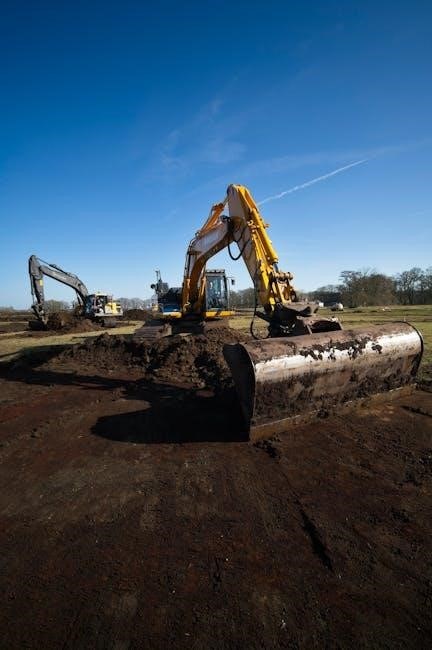
Key areas of focus encompass pre-start inspection procedures, operational safety, understanding excavator stability and load charts, and recognizing potential hazards. The test also delves into safe digging practices, including working near underground services and adhering to trenching protocols.
Furthermore, operators will be evaluated on their knowledge of lifting operations, attachment usage, and emergency shutdown procedures. Traffic management and site awareness are also crucial components. The RT59 factsheet, the primary resource, details these categories. Effective preparation involves mastering these areas, rather than solely relying on memorizing answers from freely available PDFs.
Common Hazards Associated with 360 Excavator Operation
Identifying and mitigating hazards is central to safe 360 excavator operation and a key focus of the CPCS renewal test. While seeking “CPCS 360 excavator renewal test questions and answers PDF free” can offer practice, a thorough understanding of potential dangers is vital. These hazards range from machine instability and overturning to striking underground services.
Operators must be acutely aware of swing radius and slew circle risks, ensuring adequate exclusion zones are maintained. Trench collapse is a significant concern, demanding adherence to strict excavation protocols. Contact with overhead power lines presents a catastrophic hazard, necessitating careful height assessments.
Furthermore, improper lifting practices, insecure loads, and failure to correctly use attachments contribute to potential accidents. Poor ground conditions, inadequate visibility, and the presence of pedestrians or other vehicles on site also pose risks.
The RT59 factsheet details these hazards. Successful renewal requires demonstrating a comprehensive understanding of these dangers and the preventative measures to minimize them, exceeding simple memorization of test answers.
Safe Operating Procedures – Pre-Start Checks

Diligent pre-start checks are paramount for safe 360 excavator operation and a heavily weighted component of the CPCS renewal assessment. While searching for “CPCS 360 excavator renewal test questions and answers PDF free” can aid revision, practical knowledge begins with a thorough inspection.
These checks encompass verifying fluid levels (engine oil, hydraulic fluid, coolant), inspecting hoses and connections for leaks or damage, and ensuring all safety devices – including alarms, lights, and the seatbelt – are functional. Tire condition and pressure must be assessed, alongside the integrity of the tracks (if applicable).
The operator should also examine the boom, dipper, and bucket for cracks or wear, testing the functionality of all controls. A visual inspection of the surrounding area is crucial, identifying potential hazards like overhead obstructions or underground services.
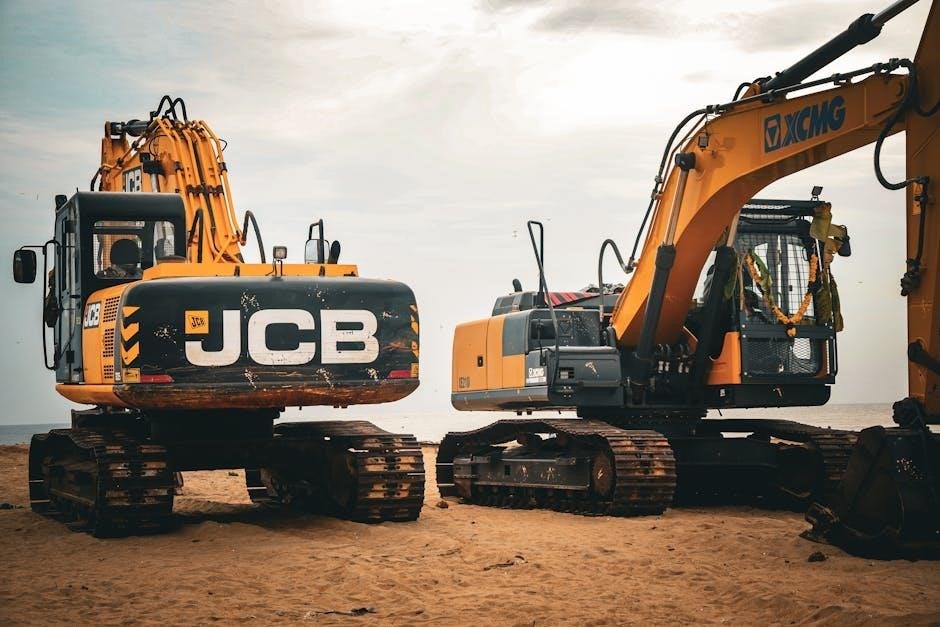
Documenting these checks is often required. The RT59 factsheet outlines the specific items to inspect. Remember, a proactive approach to pre-start checks significantly reduces the risk of accidents and demonstrates competency during the renewal test, far beyond simply knowing potential test questions.
Understanding Excavator Stability and Load Charts
Excavator stability is a critical safety aspect, frequently assessed during the CPCS renewal test. While resources offering “CPCS 360 excavator renewal test questions and answers PDF free” can be helpful, a solid grasp of stability principles is essential.
Load charts, provided by the manufacturer, dictate the maximum safe lifting capacity at various boom lengths, angles, and radii. These charts are not merely guidelines; they are legally binding limits. Factors influencing stability include ground conditions, the weight of the load, and the excavator’s configuration.
Understanding the center of gravity and its relationship to the machine’s footprint is vital. Operating on slopes or uneven terrain drastically reduces stability. Always ensure the excavator is positioned on firm, level ground whenever possible.
The RT59 factsheet details the principles of stability and how to interpret load charts. Incorrectly estimating load weight or exceeding the chart’s limits can lead to overturning, causing serious injury or fatality. Prioritize understanding these concepts over solely memorizing potential test questions.
Slew Circle and Swing Radius Safety
The slew circle and swing radius present significant hazards on any excavation site. While searching for “CPCS 360 excavator renewal test questions and answers PDF free” might offer some preparation, understanding the practical safety aspects is paramount.
The slew circle is a critical component, and its proper function is vital for safe operation. Regular inspection for wear and tear, lubrication, and any signs of damage is essential. A faulty slew circle can lead to uncontrolled swinging, posing a risk to personnel and surrounding structures.
The swing radius defines the area around the excavator that is within reach of the boom and bucket. Maintaining a safe distance from personnel and obstacles within this radius is non-negotiable. Clear communication and effective signaling are crucial.
The RT59 factsheet emphasizes the importance of awareness regarding the swing radius, particularly when working in confined spaces. Never swing over people or buildings. Always ensure the area is clear before initiating any slewing or swinging movement. Prioritize situational awareness and proactive hazard identification.
Trenching and Excavation Safety Protocols
Trenching and excavation work demand strict adherence to safety protocols. While seeking “CPCS 360 excavator renewal test questions and answers PDF free” can aid revision, practical knowledge of these protocols is crucial for preventing accidents.
Before commencing any excavation, a thorough risk assessment is mandatory. This includes identifying potential hazards such as underground services, unstable ground conditions, and the proximity of structures. The RT59 factsheet underscores the importance of detailed planning.
Shoring or sloping of trench walls is essential to prevent collapse, especially in excavations exceeding a specified depth. Competent person inspection is required daily, and after any rainfall or disturbance. Safe access and egress must be provided, such as ladders or ramps.
Spoil heaps should be placed a safe distance from the trench edge – generally at least one meter – to prevent material falling back into the excavation. Excavators must operate with appropriate stability and within safe working limits. Always be aware of the trench’s surroundings and potential escape routes.
Working Near Underground Services – Risk Assessment
Operating near underground services presents significant risks, demanding meticulous risk assessment. While searching for “CPCS 360 excavator renewal test questions and answers PDF free” can help with theoretical knowledge, practical understanding of service detection and avoidance is paramount.
Before any excavation, a comprehensive site survey is essential to identify the location of all underground utilities – gas, electric, water, and communication cables. Utilize cable detection equipment and consult utility maps. The RT59 factsheet emphasizes the importance of accurate information.
Assume all underground services are live and locate them before digging. Implement safe digging practices, such as hand-digging within a safe zone around identified services. Clearly mark the location of services on-site.
Establish a communication protocol with utility companies. If a service is struck, immediately stop work and report the incident. Excavators should maintain a safe working distance from exposed services. Proper planning and vigilance are key to preventing damage and ensuring worker safety.
Lifting Operations with an Excavator – Regulations
Excavators are not designed as cranes, yet lifting operations are common. Searching for “CPCS 360 excavator renewal test questions and answers PDF free” will reveal questions on lifting, but understanding regulations is crucial for safe practice.
Lifting with an excavator must adhere to PUWER (Provision and Use of Work Equipment Regulations) 1998 and LOLER (Lifting Operations and Lifting Equipment Regulations) 1998. A thorough risk assessment is mandatory before any lift. This includes calculating the load weight, determining the excavator’s lifting capacity (refer to load charts), and assessing ground conditions.
Use appropriate lifting attachments – slings, shackles, and lifting points – that are correctly rated and inspected. Ensure the load is balanced and secured before lifting. Avoid sideloads and sudden movements. Qualified slingers should direct the lift.
The RT59 factsheet details safe lifting practices. Never exceed the excavator’s lifting capacity. Maintain a safe distance between the excavator and the load. Regular inspection of lifting equipment is essential. Prioritize safety and adhere to all relevant regulations.
Attachment Usage and Safety Considerations
Excavators gain versatility through attachments, but each introduces unique hazards. Searching for “CPCS 360 excavator renewal test questions and answers PDF free” will highlight questions on attachment safety, emphasizing proper procedures.
Always verify the attachment’s compatibility with the excavator. Check for damage before use – cracks, wear, or missing components. Securely attach the implement, following the manufacturer’s instructions. Understand the attachment’s operational limitations and safe working load.
Different attachments – buckets, breakers, grabs – require specific operating techniques. Breakers generate significant vibration and noise; wear appropriate PPE. Grapples demand careful load control to prevent instability. Augers pose risks of snagging on underground services.
The RT59 factsheet details safe attachment usage. Never modify attachments. Ensure operators are trained and competent in using each attachment. Regularly inspect attachments for wear and tear. Implement a maintenance schedule. Prioritize safety and follow manufacturer guidelines.
Emergency Procedures and Shutdown Protocols
Effective emergency response is crucial for operator safety and site security. Resources offering “CPCS 360 excavator renewal test questions and answers PDF free” will invariably include scenarios testing your knowledge of these procedures.
Know the location of emergency stop controls and how to activate them swiftly. Understand site-specific emergency plans, including evacuation routes and assembly points. Be prepared for scenarios like machine failure, fire, or injury to personnel.
Proper shutdown procedures are vital to prevent unintended movement. Park on level ground, lower the attachment to the ground, apply the parking brake, and switch off the engine. Remove the key to prevent unauthorized use.
Familiarize yourself with procedures for reporting incidents and near misses. The RT59 factsheet outlines essential emergency protocols. Regular drills enhance preparedness. Ensure all operators are trained in first aid and emergency response. Prioritize safety and follow established procedures diligently.
Traffic Management and Site Awareness
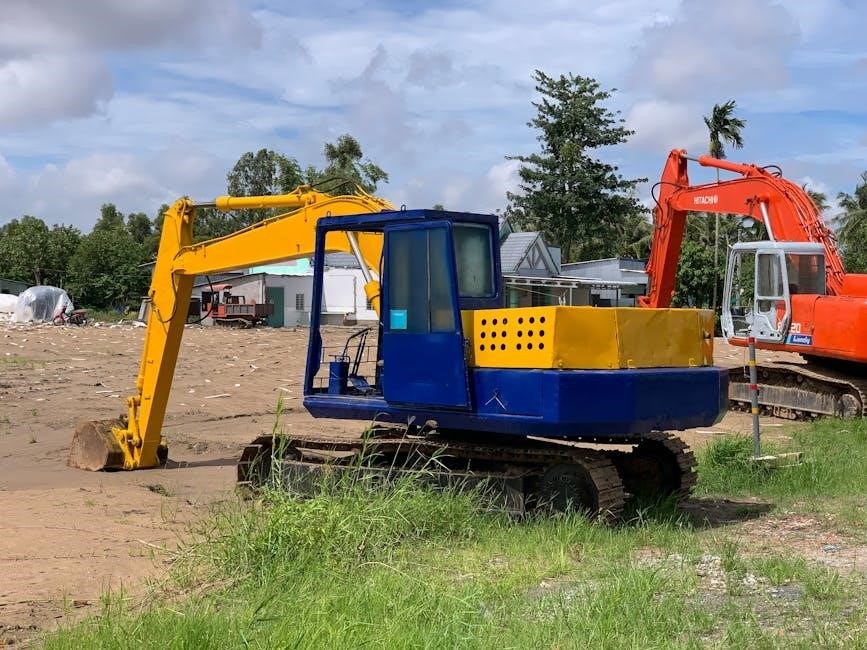
Maintaining situational awareness and managing traffic flow are paramount for safe excavator operation. Resources claiming to offer “CPCS 360 excavator renewal test questions and answers PDF free” will likely assess your understanding of these critical aspects.
Before commencing work, conduct a thorough site assessment to identify potential hazards, including pedestrian walkways, vehicle routes, and blind spots. Implement effective traffic management measures, such as using banksmen, barriers, and warning signs.
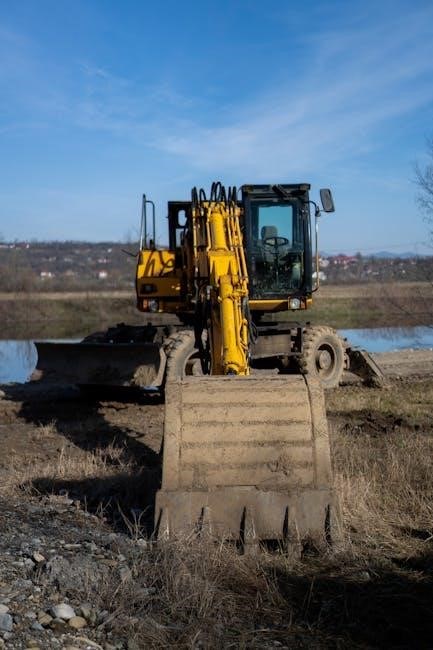
Communicate clearly with other site personnel using hand signals or two-way radios. Be aware of the location of underground services and overhead power lines. Maintain a safe distance from other machinery and personnel.
The RT59 factsheet emphasizes the importance of site awareness. Regularly scan your surroundings for changes in conditions. Ensure your excavator is visible to others, utilizing flashing beacons and warning lights. Prioritize pedestrian safety and adhere to site-specific traffic plans. Proactive awareness minimizes risks.
Understanding Excavator Maintenance Requirements
Regular and diligent maintenance is crucial for ensuring the safe and efficient operation of a 360 excavator. Any “CPCS 360 excavator renewal test questions and answers PDF free” resource will undoubtedly cover this vital area, testing your knowledge of preventative measures.
Daily checks, as outlined in the RT59 factsheet, include inspecting fluid levels (oil, coolant, hydraulic fluid), checking for leaks, and verifying the condition of tires or tracks; Regular servicing, adhering to manufacturer’s recommendations, is essential for longevity.
Understand the importance of greasing pivot points, checking filters, and inspecting hoses for wear and tear. Be aware of the procedures for reporting defects and ensuring they are rectified promptly. Maintaining accurate records of all maintenance activities is also key.
Failing to address maintenance needs can lead to mechanical failures, increasing the risk of accidents. A well-maintained excavator operates safely and efficiently, reducing downtime and extending its lifespan. Prioritize preventative maintenance for optimal performance;
CPCS Renewal Test Question Formats
The CPCS renewal test, specifically for the 360 excavator (A58/A59), primarily utilizes a multiple-choice question format. Resources offering “CPCS 360 excavator renewal test questions and answers PDF free” will largely consist of this type of assessment.
Expect around 124 questions, as offered by sites like cardrenewaltest.co.uk, designed to assess your understanding of the RT59 factsheet and relevant safety regulations. Questions are based on categories including Excavator 360 above/below 10 Tonne, and Excavator 180 above/below 5 tonnes (A59, A58, A12, A10).
Questions test knowledge of pre-start checks, safe operating procedures, hazard identification, emergency protocols, and maintenance requirements. The test focuses on practical application of knowledge, not just rote memorization;
While some resources may offer practice questions, remember that the official test is based directly on the RT59 factsheet. Familiarize yourself thoroughly with this document to maximize your chances of success. Focus on understanding the principles, not just memorizing answers.
Mock Test Resources and Practice Materials
Numerous online resources provide mock tests and practice materials for the CPCS 360 excavator renewal (A58/A59). Websites like cardrenewaltest.co.uk offer comprehensive mock tests containing 124 multiple-choice questions, mirroring the actual NOCN/CPCS exam format, available for instant PDF download;
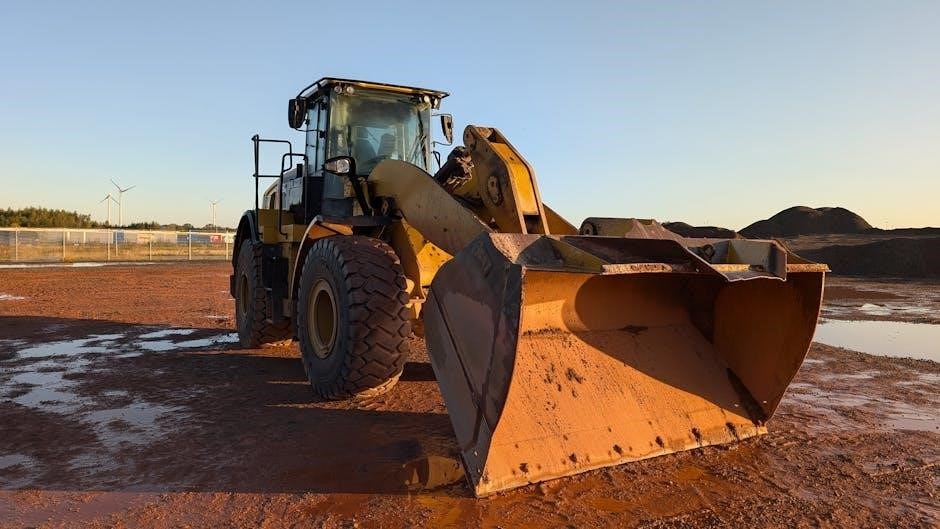
These resources are invaluable for familiarizing yourself with the question style and identifying knowledge gaps. While searching for “CPCS 360 excavator renewal test questions and answers PDF free,” be cautious of outdated or unreliable sources. Prioritize materials aligned with the latest RT59 factsheet.
Remember that practice tests are designed to supplement, not replace, thorough study of the official factsheet. Focus on understanding the reasoning behind correct answers, not just memorizing them.
The CPCS Renewal Test Tool is the primary official resource, though it doesn’t offer a question list. Utilizing a combination of official factsheets and reputable mock tests will significantly enhance your preparation and confidence for the renewal assessment.
Analyzing Common Mistakes in the Renewal Test
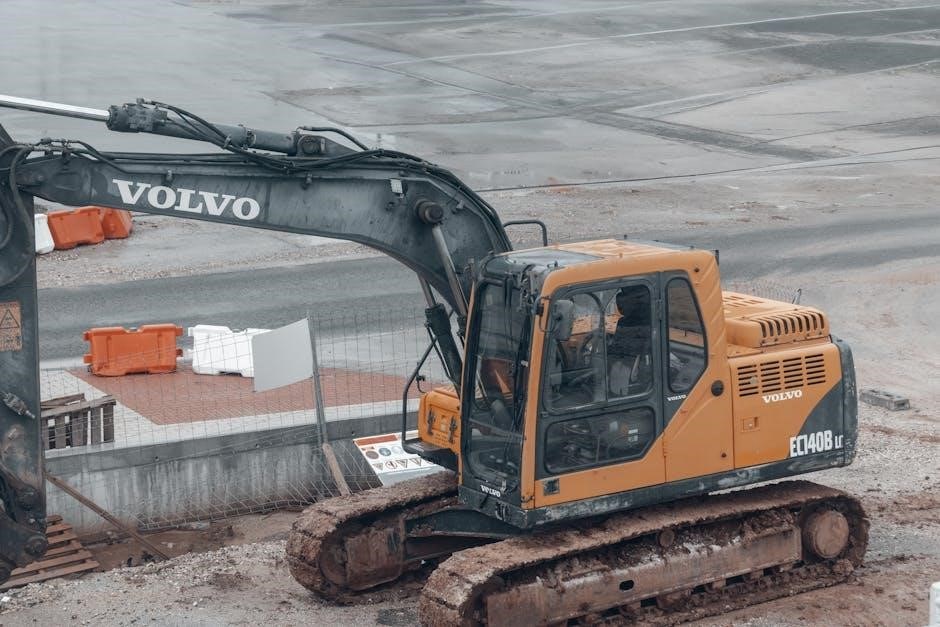
Many candidates stumble on questions relating to site safety and risk assessment. A frequent error involves misunderstanding regulations surrounding working near underground services – a critical area covered in the RT59 factsheet. Incorrectly assessing risks or failing to identify appropriate control measures are common pitfalls.
Another area where candidates often struggle is excavator stability and load chart interpretation. Miscalculating safe lifting capacities or overlooking ground conditions can lead to incorrect answers. Thoroughly review these sections of the factsheet.
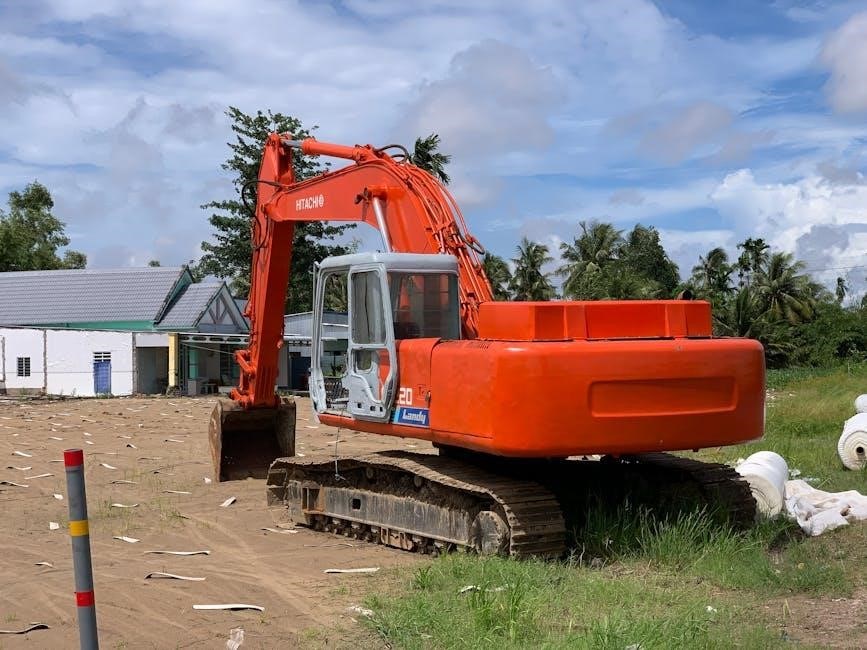
While searching for “CPCS 360 excavator renewal test questions and answers PDF free,” remember that simply memorizing answers isn’t enough. Understanding the principles behind safe operation is crucial.
Failing to read questions carefully and misinterpreting the scenario presented is also a frequent mistake. Take your time, analyze each question thoroughly, and eliminate obviously incorrect options before selecting your answer. Reviewing practice tests helps identify personal weak areas.
Where to Find CPCS Renewal Test Questions (PDF)
Locating reliable practice materials is key to successful renewal. Several online resources offer CPCS renewal test questions in PDF format, specifically targeting the A58/A59 360 Excavator categories. Cardrenewaltest.co.uk is a prominent source, providing a 124-question mock test closely aligned with the official NOCN/CPCS exam.
While searching for “CPCS 360 excavator renewal test questions and answers PDF free,” exercise caution. Numerous websites offer potentially outdated or inaccurate materials. Prioritize resources that explicitly state they are based on the latest RT59 factsheet.
Be aware that free PDF downloads may not always be comprehensive or reflect the current test format. Investing in a reputable, paid resource often provides a more accurate and valuable preparation experience.
Remember, the official CPCS documentation (RT59) remains the primary source of information. Practice questions should supplement, not replace, a thorough understanding of the factsheet content. Focus on understanding the principles, not just memorizing answers.
Latest Updates and Changes to the CPCS Renewal Test (as of 04/14/2026)
As of today, April 14th, 2026, the CPCS renewal test for the 360 Excavator (A58/A59) continues to heavily rely on the RT59 factsheet. While no sweeping changes have been officially announced, staying current with interpretations of the factsheet is crucial.
Resources offering practice questions, like those found on cardrenewaltest;co.uk, are updating their question banks to reflect nuanced understandings of the RT59 content. However, be cautious of freely available “CPCS 360 excavator renewal test questions and answers PDF free” downloads, as their accuracy isn’t guaranteed.
The emphasis remains on practical application of safety procedures, understanding excavator stability, and hazard identification. Expect questions to assess your knowledge of pre-start checks, load charts, and emergency protocols.
Operators should prioritize reviewing the latest guidance from NOCN and CPCS regarding any clarifications or interpretations of the RT59 factsheet. Regularly checking official CPCS channels for updates is highly recommended to ensure preparedness for the renewal test.