Horse Blanket Size Guide: A Comprehensive Overview (Updated 03/24/2026)
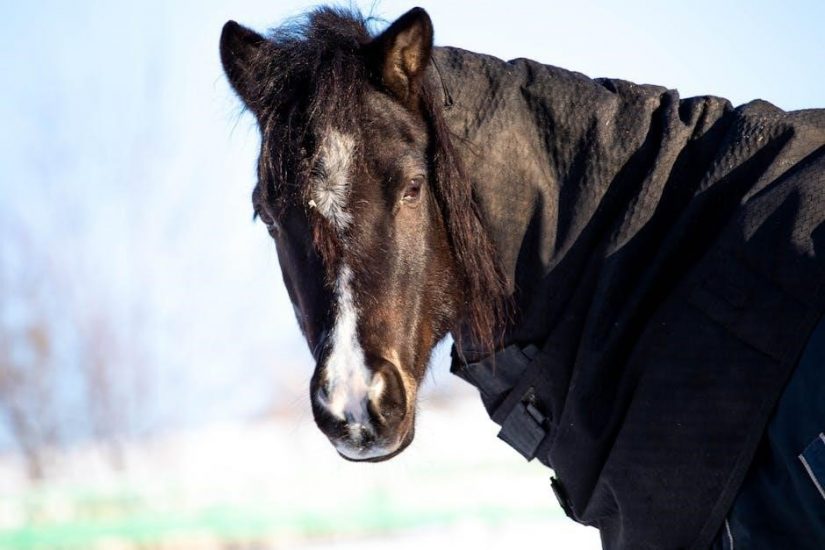
Maintaining your horse’s comfort throughout changing seasons is vital, often requiring the use of horse rugs. Proper rugging ensures warmth and well-being, impacting their overall health.
Understanding the Importance of Correct Blanket Fit
A properly fitted horse blanket is absolutely crucial for your equine companion’s comfort, health, and safety. An ill-fitting blanket can lead to a multitude of problems, ranging from simple discomfort to serious skin irritation and even compromised circulation.
Too small a blanket restricts movement, causing chafing, especially across the shoulders, and can create painful pressure points. Conversely, a blanket that is too large poses a significant safety risk. It can easily slip, potentially causing entanglement and panic, or even be pulled completely off, leaving your horse exposed to the elements.
Correct fit allows for a full range of motion during grazing, rolling, and general movement. It also ensures the blanket stays securely in place, providing consistent protection from weather conditions. Prioritizing a good fit isn’t just about convenience; it’s about responsible horse ownership and safeguarding your horse’s well-being throughout the year.
Why Accurate Sizing Matters
Precise blanket sizing directly impacts your horse’s ability to thrive, particularly during periods of inclement weather. Inaccurate sizing compromises the blanket’s effectiveness, potentially defeating its purpose of providing warmth or protection from rain and wind.
Beyond basic comfort, accurate sizing prevents costly veterinary bills. Poorly fitted blankets can cause rubs, sores, and even more serious skin conditions requiring treatment. Investing time in correct measurement saves money and stress in the long run.
Furthermore, a well-fitted blanket contributes to your horse’s overall performance. A comfortable horse is a more relaxed and focused horse, whether in training or at pasture. Accurate sizing ensures the blanket doesn’t interfere with their natural movement, allowing them to maintain optimal physical condition and mental well-being. Don’t underestimate the power of a properly fitted rug!

Standard Horse Blanket Sizing Units
Horse blanket sizing predominantly utilizes inches as the standard unit of measurement. This applies to both the blanket’s length – measured from the withers to the tail – and its girth, which encircles the horse’s body just behind the front legs.
Blanket lengths typically range from 68 inches to 84 inches, with increments of four inches between sizes (68″, 72″, 76″, 80″, 84″). These sizes correlate to different horse breeds and builds, ensuring a suitable fit for a wide variety of equines.
Girth measurements are also crucial, often expressed in inches and influencing the blanket’s overall fit and security. Manufacturers often provide sizing charts correlating length and girth measurements to help owners select the appropriate size. Understanding these units is fundamental to successful blanket shopping and ensuring your horse remains comfortable and protected.
Measuring Your Horse for a Blanket
Accurate measurement is paramount for a correctly fitting blanket, preventing discomfort, rubbing, and potential safety hazards. You’ll need a flexible measuring tape – a tailor’s tape is ideal – and an assistant can be helpful, especially with a more active horse.
Begin by standing your horse squarely and ensuring they are relaxed. Measurements should be taken from the center of the chest, extending the tape back along the horse’s side to the point of the buttock. This determines the blanket length.
Next, measure the girth by wrapping the tape around the horse’s body where the blanket’s front closure will sit – generally 4-6 inches behind the front legs. Ensure the tape is snug but not tight, allowing for a comfortable fit. Record both measurements carefully, as these will guide your blanket size selection.
Step 1: Measuring from Withers to Tail
This initial measurement establishes the blanket’s length, crucial for proper coverage and preventing rubbing. Begin at the highest point of the withers – the ridge between the shoulder blades – and extend the measuring tape straight back along the horse’s side.
Run the tape to the point of the buttock, which is the bony prominence on the rear of the horse. It’s important to keep the tape level and follow the natural curve of the body, avoiding any dips or rises. Do not pull the tape too tightly, as this will result in an inaccurate measurement.
Record this measurement in inches – this is your horse’s blanket length. Round up to the nearest even number (e.g., 71 inches rounds up to 72 inches) to ensure adequate coverage. Accuracy is key; a slightly too-short blanket can cause discomfort and sores.
Step 2: Measuring the Girth
The girth measurement determines the blanket’s width, ensuring a secure and comfortable fit around the horse’s body. Position the measuring tape where the blanket’s chest straps will sit – generally 4-6 inches behind the front legs.
Wrap the tape around the horse’s barrel, keeping it snug but not overly tight. You should be able to comfortably slide a hand between the tape and the horse’s body. Ensure the tape is level all the way around, avoiding any upward or downward angles.
Record the measurement in inches. This is your horse’s girth size. Consider the horse’s build; a wider-bodied horse may require a larger girth size even if the length measurement suggests otherwise. A properly fitted girth prevents blanket slippage and rubbing.
Understanding Blanket Sizes: 68″ to 84″
Horse blanket sizes typically range from 68 inches to 84 inches, corresponding to the horse’s length from withers to tail. However, size isn’t solely determined by length; breed, build, and blanket style also play crucial roles.
These sizes represent the overall blanket length, not the actual coverage area. Consider a horse’s conformation; a shorter, stockier horse might fit well within a smaller size range, while a taller, leaner horse will need a larger blanket.
Blanket manufacturers may have slight variations in sizing, so always consult their specific size charts. Proper fit prevents rubbing, slippage, and discomfort. Understanding these size ranges is the first step towards finding the perfect blanket for your equine companion, ensuring their comfort and protection.
Size 68″ Blankets: Suitable Horse Types
A 68-inch horse blanket generally fits ponies and smaller horses, typically standing under 14.2 hands (58 inches) tall. These blankets are commonly used for breeds like Welsh Ponies, Shetland Ponies, and miniature horses. However, size isn’t solely based on height; build is also crucial.
Stockier ponies or smaller horses with a shorter back may comfortably fit a 68-inch blanket, while leaner individuals might require a 72-inch size. Always measure your horse from the withers to the tail to ensure accurate sizing.
Consider the blanket’s style; a drop-front blanket might require a slightly different size than a standard neck blanket. A properly fitted 68-inch blanket will cover the horse’s body without being too long or causing rubbing. Prioritize comfort and freedom of movement for your equine friend.
Size 72″ Blankets: Common for Many Breeds
The 72-inch horse blanket is arguably the most versatile size, fitting a wide range of breeds and heights. It’s commonly suited for horses between 14.2 and 15.2 hands (58-62 inches) tall, including popular breeds like Quarter Horses, Paints, and many Thoroughbreds.
However, conformation plays a significant role. A horse with a longer back, even within this height range, might benefit from a 76-inch blanket. Conversely, a stockier build could be adequately covered by a 68-inch size. Accurate measurement is paramount.
This size is a good starting point when unsure, as it offers more adjustability. Ensure the blanket doesn’t extend too far forward, causing shoulder rubs, or too far back, potentially interfering with the tail. Prioritize a snug but comfortable fit that allows for natural movement.
Size 76″ Blankets: For Larger Horses
A 76-inch horse blanket is designed for horses that exceed the typical range comfortably covered by a 72-inch blanket. This size generally fits horses between 15.3 and 16.2 hands (63-66 inches) tall, encompassing breeds like Warmbloods, larger Thoroughbreds, and some Draft crosses.
Horses with longer backs are prime candidates for a 76-inch blanket, ensuring full coverage and preventing the hindquarters from being exposed to the elements. Consider this size if your horse is broad-chested or has a substantial build, requiring more fabric for a comfortable fit.
Proper fit remains crucial. The blanket should sit comfortably at the withers without pinching, and the front closure should allow for a full range of motion. Always check for potential shoulder rubs and adjust straps accordingly. A well-fitted 76-inch blanket provides essential protection without restricting movement.
Size 80″ Blankets: Accommodating Draft Breeds
An 80-inch horse blanket is specifically tailored for larger breeds, most notably Draft horses like Clydesdales, Shires, and Belgians. These horses typically range from 16.3 to 17.3 hands (67-71 inches) tall, demanding a blanket that provides complete coverage and ample room for movement.
Beyond Draft breeds, 80-inch blankets suit exceptionally large Warmbloods or horses with unusually long and broad builds. Ensuring the blanket adequately covers the hindquarters is paramount, preventing chilling and discomfort during colder months. A properly sized blanket will extend beyond the tailhead without being excessively long.
When fitting an 80-inch blanket, pay close attention to the shoulder gussets, ensuring they allow for a full range of motion. Check for any pressure points or rubbing, especially around the withers and chest. Prioritize comfort and freedom of movement for these powerful animals.
Size 84″ Blankets: Extra-Large Horses & Specific Builds
The 84-inch horse blanket is reserved for the largest of equines, encompassing exceptionally tall Draft breeds and horses with unique conformational characteristics. These blankets are ideal for horses exceeding 17.3 hands (71 inches) and those possessing broad chests or substantial hindquarters. Proper coverage is crucial to prevent cold exposure and maintain optimal comfort.
Certain breeds, even within standard height ranges, may require an 84-inch blanket due to their muscular build. Consider this size for horses prone to blanket slippage or those with a particularly rounded physique. A well-fitted 84-inch blanket will provide full coverage without restricting movement.
When selecting an 84-inch blanket, meticulous attention to fit is essential. Ensure the blanket doesn’t interfere with the horse’s legs or cause rubbing on the shoulders. Prioritize a comfortable and secure fit that allows for natural movement and prevents chilling, especially during harsh weather conditions.
Blanket Styles and Their Fit Considerations
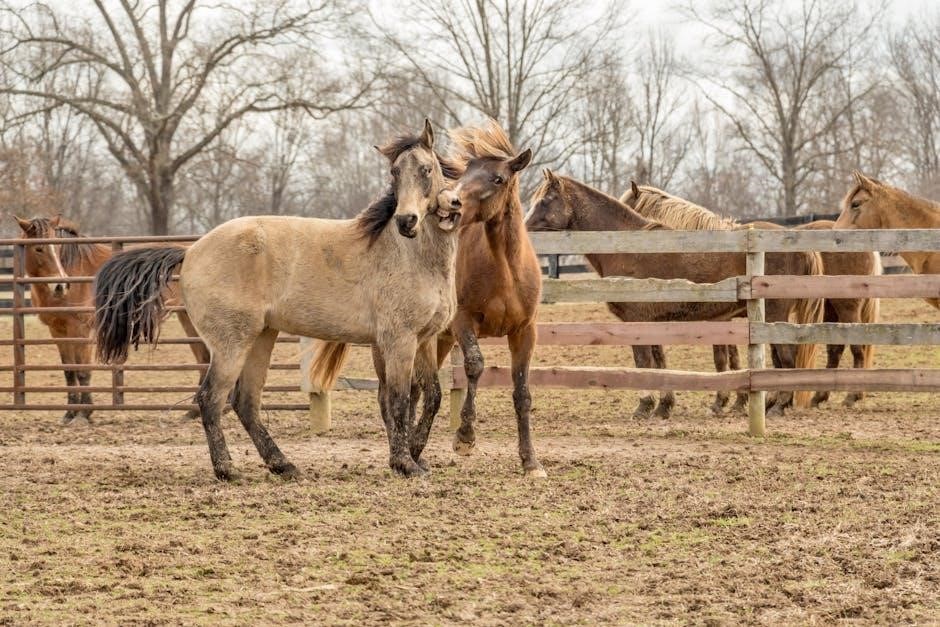
Horse blanket styles significantly influence the fit and coverage achieved. Understanding these variations is crucial for selecting the appropriate size and ensuring optimal comfort for your equine companion. Standard neck blankets are the most common, offering full body coverage with a traditional neckline. However, they may not be suitable for horses prone to rubbing or those requiring extra warmth around the neck.
High-neck blankets, conversely, feature an extended neckline that provides additional protection against the elements. These are ideal for horses with sensitive skin or those living in particularly harsh climates. Blanket shape also plays a role; straight-front blankets offer a classic fit, while drop-front designs allow for greater freedom of movement in the shoulder area.

Waterproof blankets often have a slightly different cut to accommodate the added layers of material. Always consider the blanket’s intended use and your horse’s individual needs when determining the appropriate style and size. A properly fitted blanket should allow for a full range of motion without causing discomfort or restriction.
Standard Neck Blankets vs. High Neck Blankets
The primary difference between standard and high-neck blankets lies in the amount of neck coverage provided. Standard neck blankets are the more traditional style, ending at the base of the horse’s neck, allowing for more natural movement. They are generally a more economical choice and suitable for horses that don’t experience significant neck rubbing or require extensive protection from cold weather.
High-neck blankets, however, extend further up the neck, often covering a significant portion or even the entire neck. This design is particularly beneficial for horses prone to rubbing, those with sensitive skin, or those susceptible to chills. The extended coverage offers increased warmth and protection from rain and snow.
Consider your horse’s individual needs when choosing. If your horse tends to rub, a high-neck is preferable. If your horse doesn’t have these issues, a standard neck blanket may suffice. Proper fit is crucial for both styles, ensuring the blanket doesn’t restrict movement or cause discomfort.
Blanket Shape: Straight Front vs. Drop Front
Horse blanket shapes primarily fall into two categories: straight front and drop front. Understanding the difference is crucial for achieving a comfortable and secure fit, especially considering a horse’s conformation. Straight front blankets feature a consistent angle from the chest to the shoulder, sitting directly on top of the withers. They are generally suitable for horses with a more upright shoulder angle.
Drop front blankets, conversely, are cut away under the horse’s chest, creating more space for the shoulder. This design is ideal for horses with a sloping shoulder, preventing pressure on the withers and allowing for a greater range of motion. A drop front blanket minimizes the risk of rubbing and discomfort in these horses;
When selecting a shape, consider your horse’s build. If you’re unsure, observing how a blanket sits on your horse’s shoulders is key. A properly fitted blanket should allow for natural movement without shifting or causing pressure points. Incorrect shape can lead to discomfort and blanket slippage.
Waterproof vs. Non-Waterproof Blanket Sizing
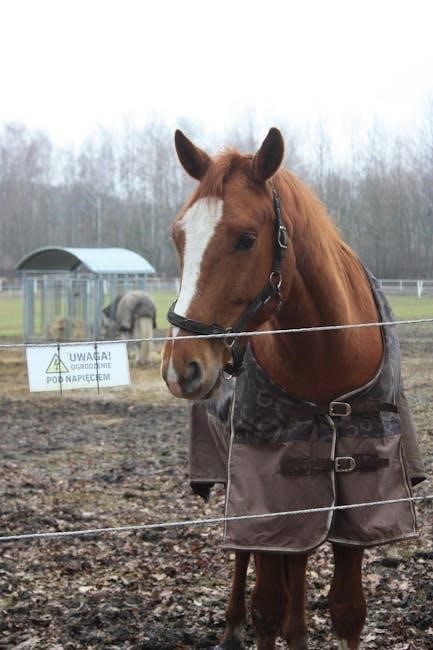
When considering blanket sizing, the material – waterproof or non-waterproof – can subtly influence fit. Waterproof blankets, often featuring a waterproof and breathable outer layer, tend to have a slightly more structured fit. This is because the material is less forgiving and doesn’t stretch as easily as non-waterproof options. Therefore, ensuring adequate shoulder room is even more critical with waterproof blankets to prevent rubbing.
Non-waterproof blankets, typically made from materials like fleece or cotton, offer more flexibility. They conform to the horse’s body shape more readily, potentially allowing for a slightly snugger fit without causing discomfort. However, this flexibility also means they may be more prone to shifting, so proper sizing remains essential.
Regardless of the material, always prioritize a fit that allows for full range of motion. Waterproof blankets should not be so tight as to restrict movement, and non-waterproof blankets shouldn’t be so loose that they slip. Accurate measurements and considering your horse’s build are paramount for both types.

Weight of Blankets: Light, Medium, Heavy & Extra Heavy
Blanket weight, measured in grams (gsm), dictates the level of warmth provided and doesn’t directly impact sizing, but influences layering considerations. Lightweight blankets (under 200gsm) are ideal for cool nights or as a base layer under heavier rugs. Medium-weight blankets (200-300gsm) offer moderate warmth for mild winter conditions.
Heavyweight blankets (300-400gsm) are suitable for colder temperatures, providing substantial insulation. Extra-heavyweight blankets (over 400gsm) are reserved for extremely cold climates or horses who feel the cold intensely. When layering, ensure the combined weight is appropriate for the temperature.
Sizing remains consistent across all weights, but consider a larger size if layering multiple blankets to avoid restriction. A properly fitted blanket, regardless of weight, should allow for comfortable movement. Always assess your horse’s individual needs and climate when selecting blanket weight, and adjust accordingly.
Adjusting Blanket Fit for Comfort and Safety
Even with accurate initial sizing, adjustments are often needed for optimal comfort and to prevent rubbing or slippage. Begin by ensuring the chest closures are snug, but not overly tight, allowing for a two-finger width between the straps and the horse’s shoulder. Check for any binding or pressure points, particularly at the withers and shoulders.
If the blanket shifts forward, causing shoulder rubs, consider a blanket with a drop front or adjusting the neck straps. For blankets that rotate to the side, ensure the tail cord is properly adjusted to anchor the blanket. Regularly inspect the blanket for wear and tear, repairing or replacing damaged straps or closures.
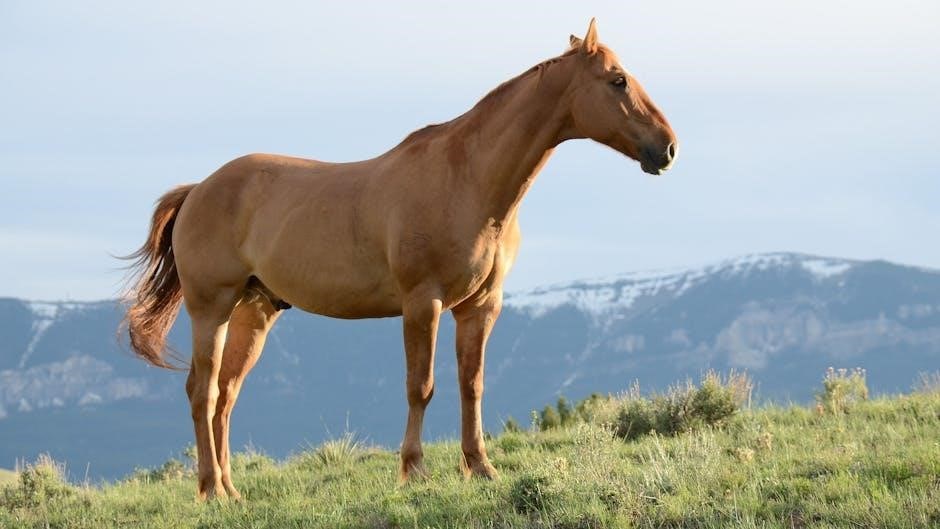
A well-fitted blanket allows for full range of motion without pinching or chafing. Prioritize your horse’s comfort and safety by making necessary adjustments and monitoring the fit regularly, especially during periods of weight change or growth.
Checking for Shoulder Rubs and Pressure Points

Regularly inspecting your horse for signs of discomfort is crucial when using blankets. Begin by palpating the shoulder area, feeling for any heat, swelling, or sensitivity. Visually examine the skin under the blanket for redness, hair loss, or abrasions – these are key indicators of shoulder rubs. Pay close attention to the withers, as this area is particularly prone to pressure.
Run your hand along the chest and belly, checking for any pinching or binding from the blanket’s closures. Observe your horse’s behavior; reluctance to move freely or frequent scratching can signal discomfort. A properly fitted blanket should allow full shoulder movement without restriction.
If you detect any pressure points or rubs, immediately remove the blanket and assess the area. Adjust the blanket’s fit or consider a different style to alleviate the issue, prioritizing your horse’s well-being.
Dealing with Blanket Rotation and Slippage
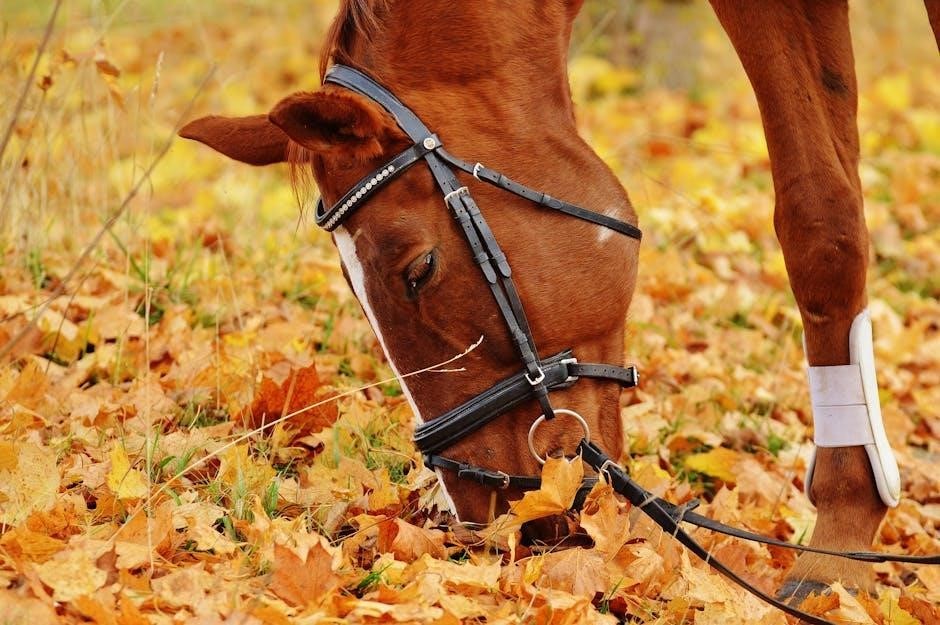
Blanket rotation and slippage are common issues that can compromise warmth and comfort. First, ensure the blanket is properly secured at the chest, utilizing all available closures. A snug, but not overly tight, fit is essential. Check the tail cord; it should be adjusted to prevent the blanket from lifting, but allow for tail movement.
If rotation persists, consider a blanket with a wider body or a different shape – a drop-front design can often improve stability. For horses prone to slippage, explore blankets with belly bands or surcingles, providing additional support. Regularly inspect the blanket for wear and tear, as damaged straps or closures can contribute to movement.
Ensure the ground is not muddy or slippery, as this can exacerbate slippage. Adjusting the blanket’s fit after grooming can also help, ensuring it sits correctly on a clean coat.
Resources for Further Blanket Sizing Assistance
Navigating horse blanket sizing can be complex, and numerous resources are available for additional support. Your local tack shop is an excellent starting point; experienced staff can offer personalized advice and fitting assistance. Many online retailers provide detailed sizing charts and customer reviews, offering valuable insights.
Consulting with a veterinarian or equine professional can provide tailored recommendations based on your horse’s specific build and needs. Manufacturer websites often feature comprehensive sizing guides and FAQs, addressing common concerns. Online forums and communities dedicated to horse care are also valuable platforms for sharing experiences and seeking advice from fellow horse owners.
Remember to utilize video tutorials demonstrating proper measuring techniques. Don’t hesitate to contact the manufacturer directly with specific questions about their products. Accurate sizing is crucial for your horse’s comfort and well-being.